
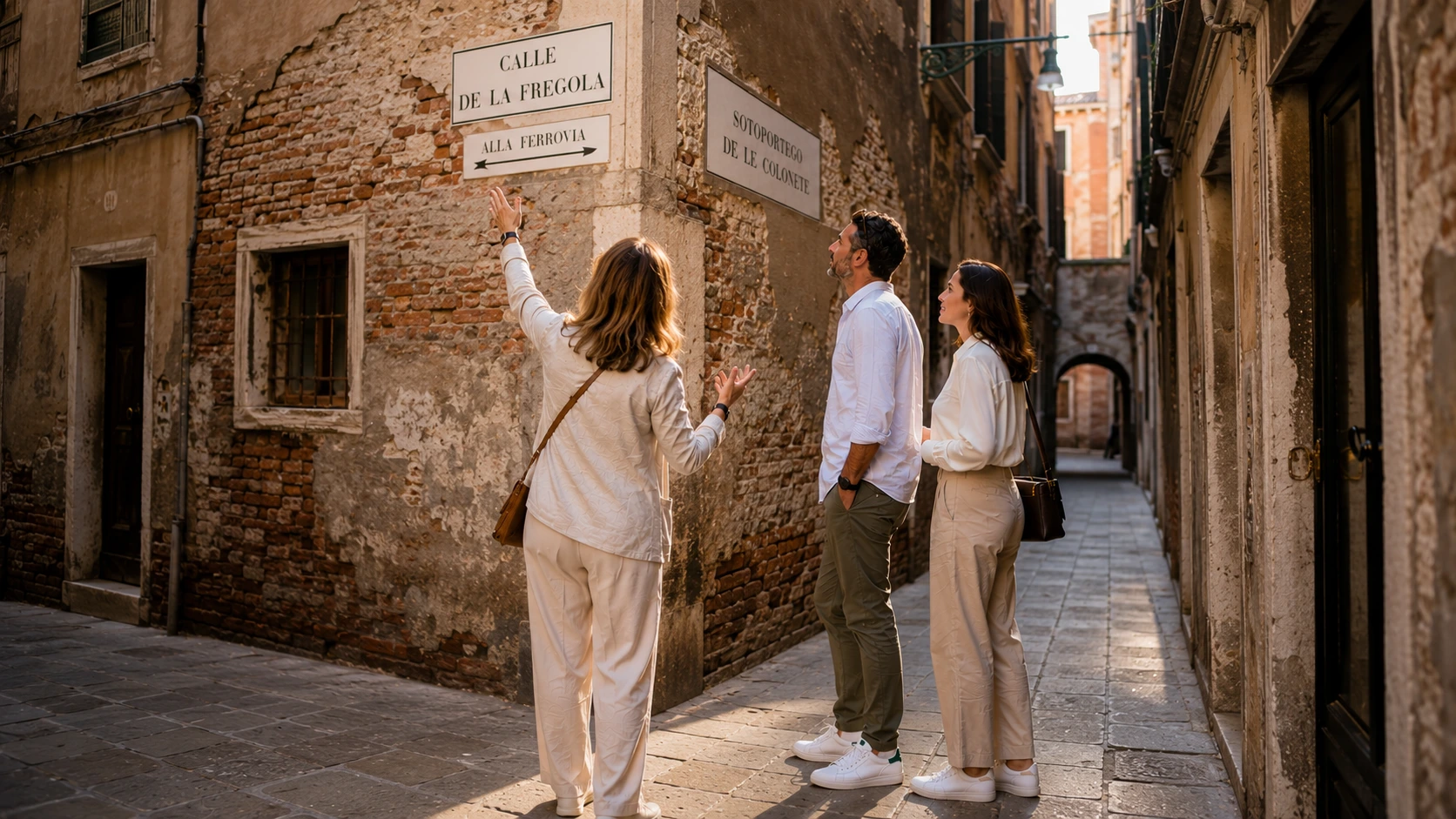
Venice rewards travelers who slow down. The city is small enough to cross on foot, but layered enough that two streets can feel like two different worlds. If you want a trip that feels more personal, start with these seven experiences tourists often miss.
1. Walk one sestiere deeply instead of collecting landmarks
Venice is divided into six sestieri, each with a different mood. San Marco is monumental, Cannaregio is lived-in, Castello can feel almost village-like, Dorsoduro has art and student energy, San Polo is dense and commercial, and Santa Croce is practical and quiet.
Instead of trying to see everything in one morning, choose one district and follow its rhythm. A focused walk usually creates better memories than a checklist.
2. See the famous places at the wrong hour
Rialto and St. Mark's are not the problem. The timing is. Early morning and late evening can change the experience completely, especially if you approach from quieter side streets rather than the main tourist flow.
If you only have one day, plan the busiest landmarks around light and crowd patterns, not around convenience.
3. Use the traghetto like a local shortcut
A traghetto is a simple gondola ferry that crosses the Grand Canal at specific points. It is short, practical and often missed by visitors who only think of gondolas as a romantic ride.
It will not replace a scenic gondola experience, but it gives you a small everyday Venice moment and saves walking time when the nearest bridge is far away.
4. Choose Murano or Burano with intention
Many visitors try to see both islands quickly and end up spending too much time in transit. Murano is stronger if you are curious about glassmaking and craft. Burano is more visual, colorful and slower, but it needs enough time to enjoy without rushing.
For a better lagoon day, decide what you want from the islands before you go: craft, color, photography, food, quiet, or a full-day rhythm.
A private orientation walk can help you understand the city layout, avoid wasted time and choose the right areas for the rest of your stay.
See First Steps in Venice5. Look for working Venice, not only postcard Venice
The most memorable moments are often practical: delivery boats, market stands, a quiet campo, laundry above a canal, a church door left open, someone repairing a boat. These details show Venice as a living city, not only a background.
A good private walk should leave space for these moments instead of rushing past them.
6. Take the smaller bridge when the crowd takes the obvious one
Venice is full of parallel routes. A two-minute detour can take you away from souvenir corridors and into a completely calmer street. This is where local knowledge matters: not because the city is impossible, but because the pleasant route is rarely the loudest one.
7. Leave room for one unplanned stop
Venice is not at its best when every minute is scheduled. Keep one open window for a drink, a church, a quiet canal, a view, or a shop you did not expect. The city works beautifully when there is enough structure to avoid stress and enough freedom to follow curiosity.
How to turn this into a simple itinerary
If it is your first visit, start with orientation, then add one deeper experience. For example:
- Morning: a private orientation walk to understand the city.
- Afternoon: quieter sestieri or an island route.
- Evening: golden-hour canals, aperitivo or a slower walk back.
That combination gives you the famous Venice and the human Venice in the same trip.