
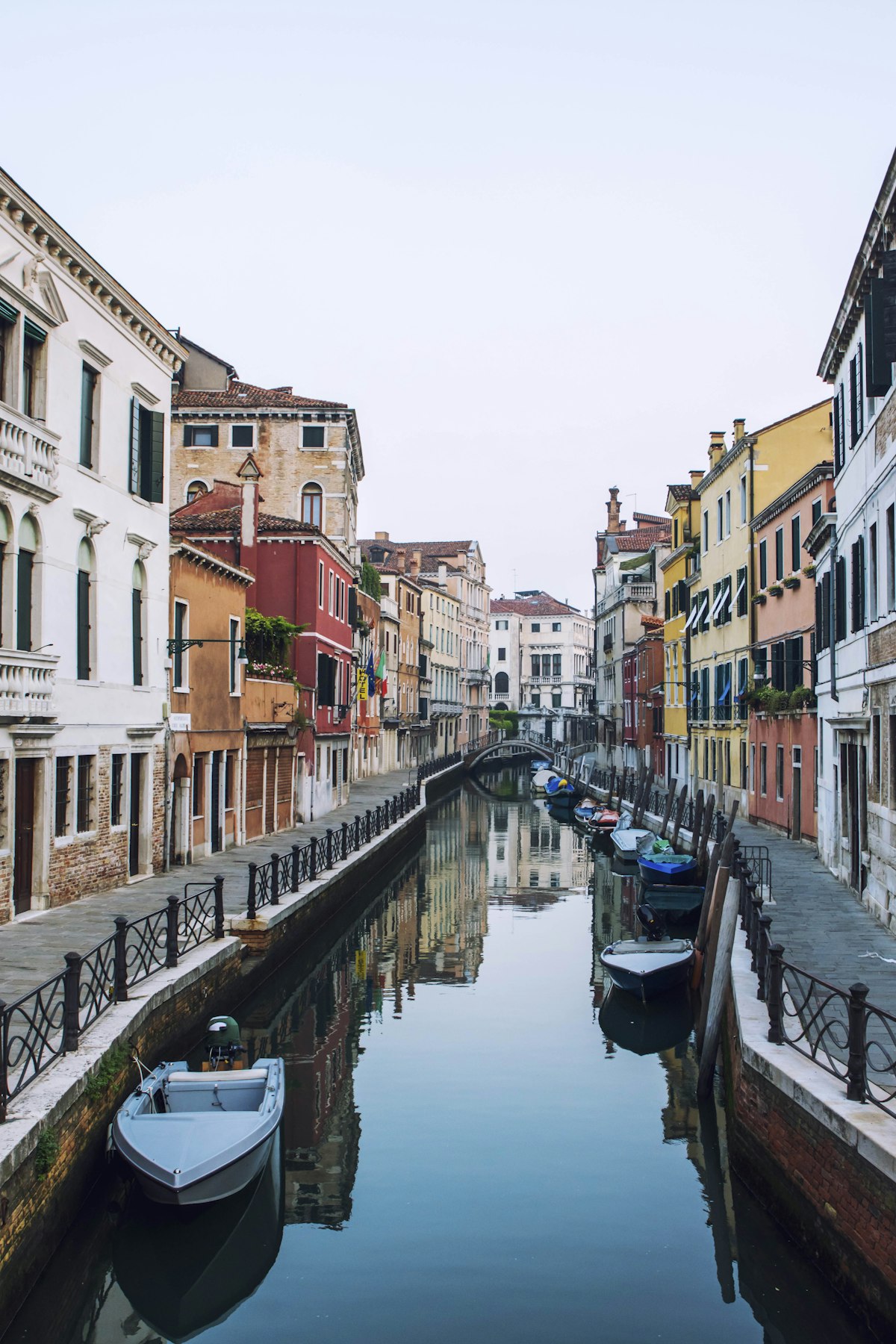
Venice is crowded because it is extraordinary. The mistake is not wanting to see the classics. The mistake is seeing only the classics, at the same time as everyone else, by following the same narrow streets between the same few points.
With a better strategy, you can still experience San Marco, Rialto, the Grand Canal and the most recognizable views while adding quieter areas that make the city feel more human.
Start with a realistic goal
You cannot make central Venice empty, especially in peak season. But you can avoid the worst pressure points, choose calmer moments and build breathing room into the day.
The goal is not to escape every visitor. The goal is to stop feeling trapped in a continuous crowd.
See the classics early or late
The most famous areas are usually easier at the edges of the day. If San Marco matters to you, go early for atmosphere or later for evening light. If you cross Rialto, avoid treating it as a midday meeting point when many visitors are moving in the same direction.
A simple rule helps: use the middle of the day for quieter neighborhoods, lunch, museums with reserved entry or a slower canal-side walk. Save the biggest postcard areas for moments when the flow is thinner.
Do not walk the obvious line all day
The densest pedestrian route often runs between the station, Rialto and San Marco. It is useful once. It is exhausting if you keep repeating it.
Instead, think in loops. Visit a classic point, then step sideways into a calmer sestiere before returning to another famous area later. This gives you contrast: the grand Venice people dream about and the lived-in Venice that makes the city memorable.
Venice Highlights & Hidden Corners is built for travelers who want classic Venice with quieter local details along the way.
Use the sestieri to spread your day
Venice is divided into six historic districts, called sestieri. Most first-time visitors spend too much of the day between San Marco and Rialto, then wonder why the city feels overcrowded.
To change the experience, add time in Cannaregio, Castello or Dorsoduro. These areas still have beauty, canals, churches, bridges and daily life, but the rhythm can feel less intense once you move away from the main flows.
Choose bridges carefully
Bridges are part of the beauty of Venice, but they also create bottlenecks. A bridge that looks minor on a map can slow down a route if everyone is crossing it at the same time.
If you are tired, carrying bags or traveling with children, avoid routes that zigzag across too many bridges. A local walking route often feels calmer not because it is shorter, but because it avoids unnecessary friction.
Give San Marco the right amount of time
San Marco is worth seeing. The mistake is expecting it to feel quiet and intimate at every hour. Treat it as a major stage: go with intention, look up, take your time where it matters, then leave before the crowd becomes the only thing you notice.
After San Marco, walk toward Castello or Dorsoduro instead of immediately returning through the busiest corridor. That one decision can change the tone of the day.
Use quieter stops between famous places
A good Venice day alternates intensity and calm. After a busy sight, add a smaller campo, a canal-side pause, a church exterior, a residential street or a local story. These moments make the classics easier to enjoy because they give your senses a reset.
This is also where a private guide helps. The best quiet stops are not always famous enough to appear on generic lists, but they can be exactly what your day needs.
When a private tour helps with crowds
A private tour cannot remove crowds from Venice, but it can help you move through the city more intelligently. The guide can adjust the route, read the moment and choose alternatives when a bridge, square or street is too busy.
This flexibility is especially valuable in Venice because small route changes can make a big difference.
A simple crowd-smart day plan
- Early morning: visit a major classic such as San Marco or Rialto.
- Late morning: move into a quieter sestiere with a planned walking route.
- Midday: slow down, eat away from the main flow or visit an indoor site.
- Afternoon: choose hidden corners, local streets and calmer canals.
- Evening: return to a classic view when the light softens and the pace changes.
Final advice
Do not build your Venice trip as a race from landmark to landmark. Build it as a rhythm: famous view, quiet street, local detail, canal pause, then another classic. That rhythm lets you see the essential city without letting the crowd define the whole experience.
If you want help shaping that rhythm, choose a private walk that balances highlights with hidden corners.